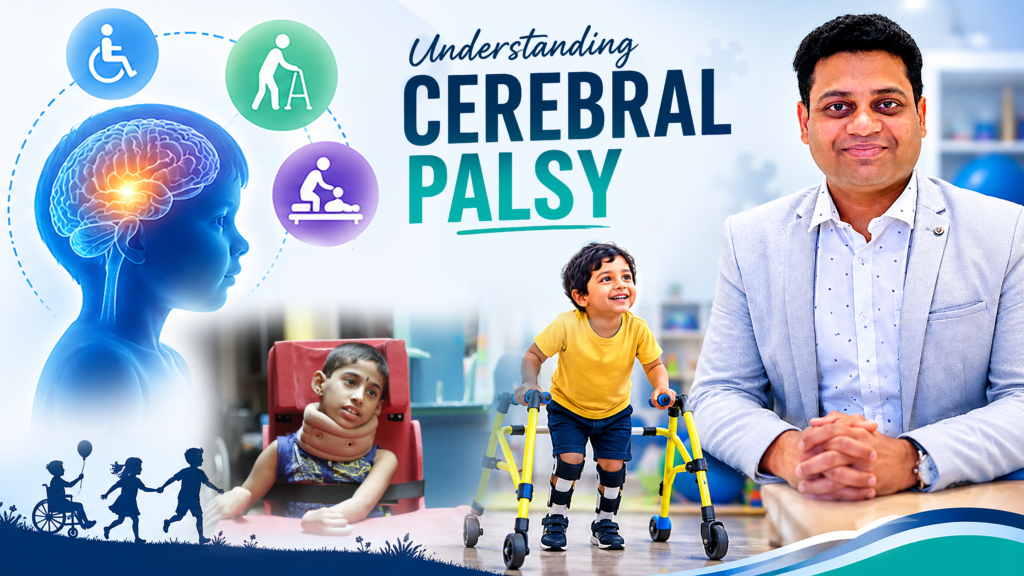
What is Cerebral Palsy?
Cerebral Palsy (CP) is a group of permanent neurological disorders that affect movement, posture, muscle coordination, and balance. It occurs when the developing brain is damaged before birth, during delivery, or shortly after birth. Although the brain injury does not worsen over time, the physical symptoms may change as the child grows. Cerebral palsy is the most common physical disability in childhood, affecting approximately 1 to 4 children per 1,000 live births worldwide. Early diagnosis and rehabilitation can significantly improve a child’s mobility, independence, and quality of life. If you are looking for a trusted Pediatric Physiotherapist in Kolkata, understanding the condition is the first step toward choosing the right care.
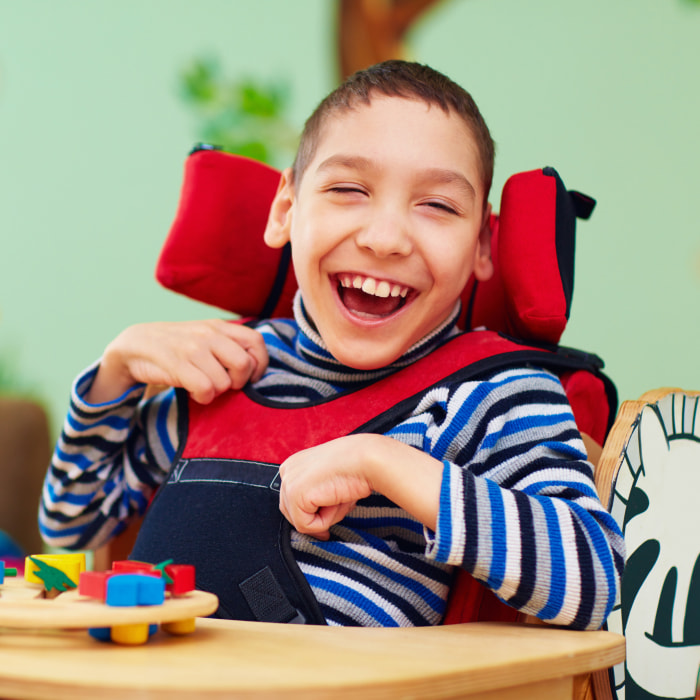
Child with Cerebral Palsy
Types of Cerebral Palsy
Cerebral palsy is classified into four main types based on the movement disorder. Spastic Cerebral Palsy is the most common form and causes muscle stiffness and difficulty walking. Dyskinetic Cerebral Palsy results in involuntary, uncontrolled movements that may affect speaking and swallowing. Ataxic Cerebral Palsy mainly affects balance and coordination, making fine motor activities challenging. Some children have Mixed Cerebral Palsy, where symptoms of more than one type occur together. Each child experiences different challenges, so treatment should always be individualized.
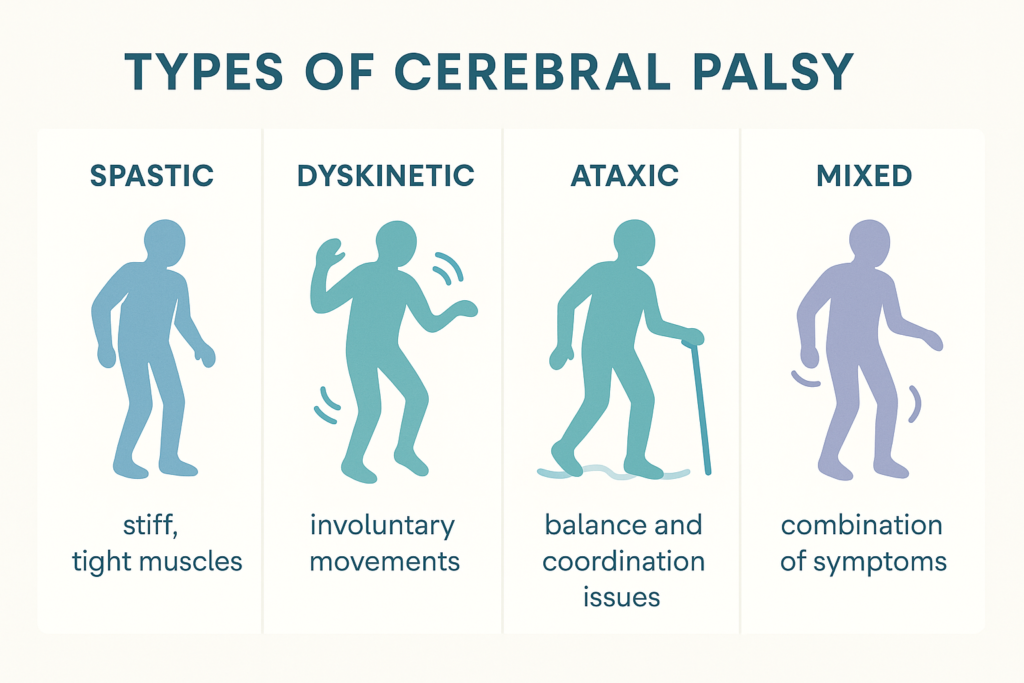
Types of Cerebral Palsy
Symptoms and Causes
The symptoms of cerebral palsy vary from child to child. Common signs include delayed milestones such as sitting, crawling, or walking, muscle stiffness or weakness, poor balance, abnormal posture, toe walking, involuntary movements, speech delay, swallowing difficulties, and coordination problems. Some children may also experience seizures or learning difficulties. The condition is caused by damage to the developing brain. This damage may occur due to maternal infections during pregnancy, premature birth, low birth weight, lack of oxygen during delivery, severe jaundice, brain infections such as meningitis, stroke, or head injury during infancy. In many cases, however, the exact cause remains unknown.
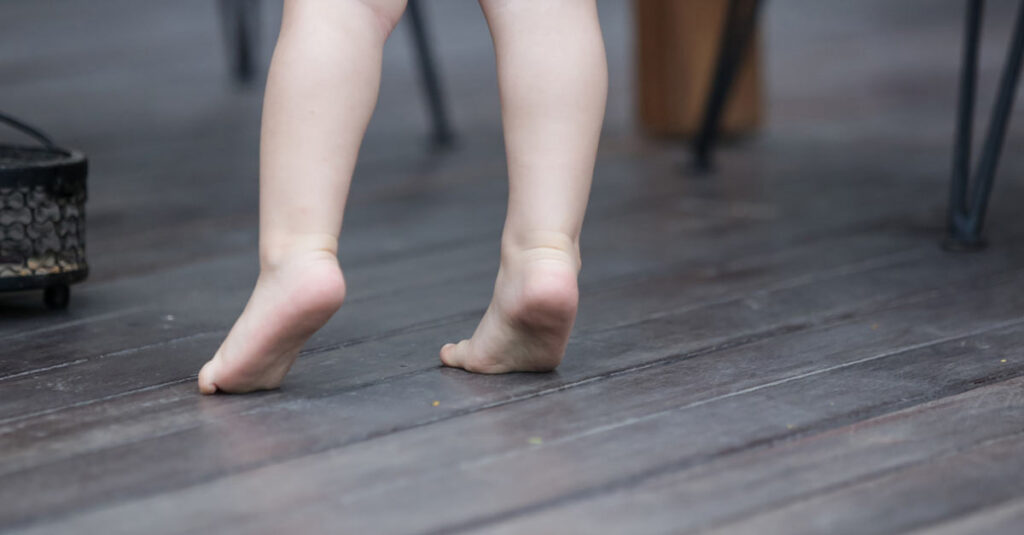
Toe Walking
Which Countries Have the Highest Number of Cases?
Countries with large populations, including India, China, and the United States, have the highest number of people living with cerebral palsy. India reports a particularly high burden because of its large birth population, higher rates of premature births, unequal access to maternal healthcare, birth complications, and delayed diagnosis in some regions. Research suggests that the overall prevalence of cerebral palsy has remained relatively stable, but improved survival of premature babies and better awareness have led to more children being diagnosed than in previous decades. How is Cerebral Palsy Diagnosed? Early diagnosis is essential because the brain develops rapidly during the first few years of life. Doctors assess developmental milestones, muscle tone, posture, reflexes, balance, and movement patterns. If cerebral palsy is suspected, investigations such as MRI scans, developmental assessments, hearing tests, and vision evaluations may be recommended. Identifying the condition early allows rehabilitation to begin at the right time, improving long-term outcomes.
Can Cerebral Palsy Be Treated?
There is currently no permanent cure for cerebral palsy because the brain damage cannot be reversed. However, modern Cerebral Palsy Treatment focuses on improving movement, reducing muscle stiffness, increasing independence, and enhancing overall quality of life. With early intervention, many children develop better mobility, communication skills, and confidence. One of the most effective rehabilitation methods is Pediatric Neuro Physiotherapy, which improves strength, posture, balance, coordination, and walking ability through structured exercises. Occupational Therapy helps children perform everyday activities such as dressing, eating, writing, and playing independently while improving fine motor and sensory skills. Another highly effective approach is Hydrotherapy for Cerebral Palsy. Warm water supports the child’s body, reduces pressure on joints, relaxes tight muscles, and makes movement easier. Regular hydrotherapy sessions can improve flexibility, balance, strength, and confidence. Families searching for a specialized Hydrotherapy Centre Kolkata often choose this therapy because it combines exercise with a safe and enjoyable environment. Children with developmental delays may also benefit from Developmental Delay Treatment, speech therapy, and assistive devices depending on their individual needs.
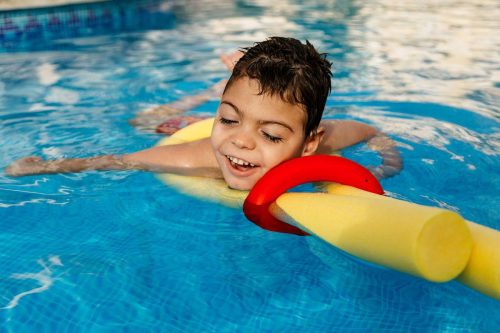
Hydrotherapy for Cerebral Palsy
How Kazi Arafat Basir Can Help
When searching for an experienced Child Physiotherapist in Kolkata, choosing the right rehabilitation specialist is crucial. Kazi Arafat Basir provides evidence-based pediatric rehabilitation tailored to each child’s needs. His treatment programs include detailed developmental assessments, Pediatric Neuro Physiotherapy, Occupational Therapy, Hydrotherapy for Cerebral Palsy, balance and gait training, strengthening exercises, and Developmental Delay Treatment. Parents are also guided with home exercise programs and practical strategies to continue therapy beyond the clinic. Although cerebral palsy is a lifelong neurological condition, early diagnosis and comprehensive rehabilitation can make a remarkable difference in a child’s life. With the right combination of Cerebral Palsy Treatment, Pediatric Neuro Physiotherapy, Occupational Therapy, Hydrotherapy for Cerebral Palsy, and personalized care, children can improve their mobility, independence, and confidence. If you are looking for a trusted Pediatric Physiotherapist in Kolkata or Child Physiotherapist in Kolkata, Kazi Arafat Basir offers compassionate, evidence-based rehabilitation to help every child achieve their fullest potential.

Dr. Kazi Arafat Basir PT